


“I’d quit a safe, 6 figure job…and a few years in, I had our family $60,000 USD in debt with no savings. Sara was at home taking care of our three young boys (all under the age of 10) and I was supposed to be providing.”
In one of his many books about LinkedIn, John Nemo included a dedication to his wife. It began with John describing his shame and despair before revealing that his stay-at-home wife Sara quit her job to raise the kids, returning to entrepreneurship only to rescue her family from the yawning pit of financial ruin. As John put it, “A mother’s work never stops!”
Fitting to find this passage in a book about Linkedin — which, like many of its biggest fans, describes a rags-to-riches story that you, too, can experience...for a price. This is the tale spun by marketing gurus like Alex Hormozi and Russell Brunson, both of whom have openly discussed the tragic failures their wives had to save them from, in seminars and webinars and inspirational LinkedIn posts encouraging you to also "never stop."
In this professional online space, survivorship bias can be repackaged as proof of the myth of meritocracy. "I struggled and made it. My family was right to believe in me." Starting a business is fraught with ambiguity, and psychological research suggests that the self-efficacy entrepreneurs need to succeed can easily morph into overconfidence, especially when the path to said success is so unclear. You can see this in content creators' motivational quote posts carrying the energy of "If you don't believe in yourself, who will?"
Legal and clinical spaces refer to this punting of responsibility onto the nearest loved one as "asset dissipation" — the reckless squandering of joint assets, often taking the form of extravagant spending, gambling, or transferring assets into non-marital accounts. In the American court system, it's considered a form of financial abuse. Making risky bets on Kalshi or "investing" in rare Pokémon cards is fine when you're single, but making unilateral financial decisions without consulting your spouse exacerbates the harm, with or without malicious intent.
LinkedIn is teeming with people like this. Maybe you've met one IRL. My college roommate spent his six-figure inheritance on Star Wars merch that sold for just over $1,000. An ex told stories of the many ways in which his own father embodied this brand of boundless optimism, chasing okay ideas with the passion of timeless vision poised to change the world. (In reality he repeatedly squandered his family’s savings until my ex got a good engineering job and bailed them out.)
This flavor of main character syndrome isn't exclusive to LinkedIn. It's a pattern seen across multiple studies exploring the psychology of entrepreneurs.
Meritocracy as meta
Hormozi praises his (wife? girlfriend? he doesn't say) for absorbing the downside risk, rewriting the path from sleeping in their Prius to buying an HQ in Vegas into a redemption arc. A hero's journey, with family members as the supporting cast. This has become a tried-and-true LinkedIn subgenre, the kind that creates new Darrens and overconfident dads.
It's a strategy that weaponizes the myth of meritocracy to launch the average joe into positions of wealth and power on social media. You may not be a "self-made man," but if you can fool audiences primed to seek out evidence that success depends solely on the ability to "pick yourself up by the bootstraps," you could very well become one. (Have trouble spotting these people in the wild? A good rule of thumb is to scroll to the end of the post and check if they're selling a course on how replicate their success.)
Built on luck, sustained through performance
This subgenre of wish-fulfillment content isn't relegated just to LinkedIn, nor is it specific to men; women are perfectly capable of walking around in rose-colored glasses. You could argue that Veronica Shaw or "Chef Pii," the viral TikTok "Pink Sauce Lady" from 2022, is one example of girlbossing too close to the sun; her iconic millennial-pink sauce scored a $120,000 USD brand deal, which vanished in mere months, taking her reputation as a chef and financial security along with it.
 Geoff Weiss
You could also point to controversial debut author Milo Winter, who spent four years teasing Age of Scorpius as a fantasy world over a decade in the making while claiming to be a literary prodigy. Swiftly following its publication in 2025, he's been accused of scamming his customers after garnering tremendous hype, collecting over $10,000 in preorders, and then...running away when readers described the book as an unedited first draft.
We've convinced ourselves there's an art to failing up; that if we're hungry enough, we're promised at least some reward for our efforts. It's more like a numbers game: people who act on this kind of wishful thinking can become winners like Hormozi, or crash and burn Chef Pii. The winner gets multiple lives to play this game, trying again and again at the cost of their astronomical bank accounts...or those of their frustrated partner's. But losers only get one or two chances before the cost of losing again becomes too great to bear.
"Main character syndrome" has bled into real life.
It did a long time ago, actually. Just as the sci-fi genre developed subspecies from aliens to space operas to dystopian cyberpunk societies, the main character genre branches out from Vines to dance trends to reframing every bump in one's history as a dark night of the soul from which a phoenix one day bloomed.
Peter Kafka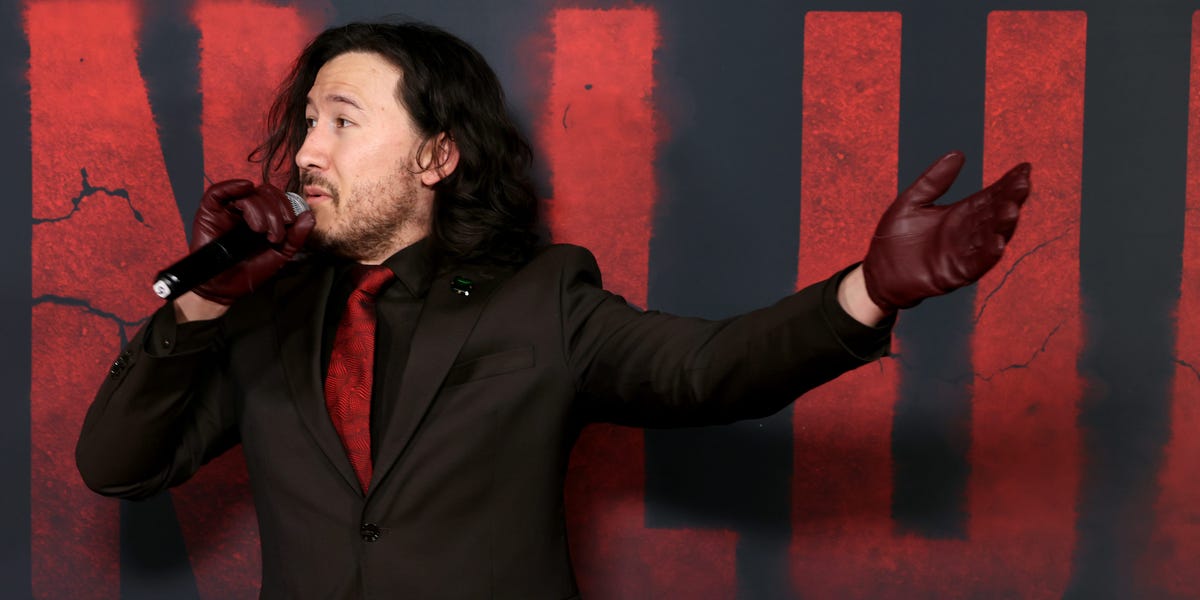
The successful ones often make it there from building many years of small, sustainable wins into a sustainable foundation large enough to play on. The monetization of attention introduced us to countless upgrades to the corporate 9-to-5: building small businesses, working remotely, livestreaming, independent filmmaking that fills box offices at the fraction of Hollywood's cost, to name a few.
Some ventures are more lucrative than others, some more ethical, all requiring a self-confidence bordering on narcissism, the audacious insistence that you deserve to not just be the main character, but the hero, superpowered and wrapped in plot armor. An inspirational success story we'll all tell our children one day.
I understand where LinkedIn bros and influencers are coming from when they gamble at their loved ones' expenses, betting the farm again and again in hopes of joining a rarified pantheon of normal people like you and me who "made it." They made it look so easy, after all. Before pulling $22M USD in ticket sales opening weekend, Markiplier spent 14 years building a fanbase, purely for the love of the game. He did it by being entertaining, and authentic, and really good at beating Five Nights at Freddy's.
We can't know for sure how many chances a successful "LinkedIn poet" got before hitting the jackpot. But we can certainly spot one in public, if we know what to look for: the uncanny combination of ambition and magical thinking, the small subset of overconfident people capable of putting their self-preservation instincts on hold for a chance to take "shoot for the moon" as a challenge.